Examples include marketable securities, short-term treasury investments, and goods held for sale. With such losses, business owners must make intentional and strategic cash flow decisions to help overcome future challenges. In this article, we’ll define cash flow, tell you how it works, and give you tips on managing it effectively.
Financing activities
- These outflows are crucial for a company’s growth and expansion strategy.
- This is the money that leaves your business to pay for things like rent, salaries, and buying new inventory.
- As cash is the lifeline of any business, keeping an eye on the cash moving out of your business becomes important.
- Positive cash flow is essential for financial health and can be managed through forecasting, expense control, and financing strategies.
- Cash inflow and outflow must be carefully managed to prevent financial instability.
For example, if one of your suppliers is consistently behind schedule, discuss your problems with them or consider other suppliers. Understanding this movement empowers you to make informed decisions, such as funding daily operations, buying new equipment, or investing in the financial markets. Maintaining a balance ensures liquidity, supports operational efficiency, and prevents reliance on costly borrowing. Cash outflows are classified based on the nature and purpose of the expenses. Understanding these categories helps in comprehensive financial planning and identifying areas for improvement. Plus, when you’re known as a customer who always pays on time, you have the leverage to renegotiate better terms with your suppliers.

Special rule: Regularly recurring operating income and expenditure

Cash outflows can also be recorded in the income statement, where they are referred cash inflow vs outflow to as expenditures. Some examples of cash inflow include net income from the sale of goods and services, sale of inventory, sale of long-term/fixed investments, and accounts receivable. Are your suppliers willing to offer a discount if you pay on time or before time? You should re-evaluate your expenses and see if you can cut expenses in certain places.
- In this volatile global economy, the majority of businesses fail due to poor cash flow management.
- Understanding cash inflow vs outflow is essential for keeping a company financially stable, covering expenses, and planning for growth.
- With such losses, business owners must make intentional and strategic cash flow decisions to help overcome future challenges.
- Which method a company uses does not impact the final operating cash flow number it reports.
- Since all their resources are used to launch the business, more outflow is expected.
- Regardless, the internal rate of return (IRR) and MoM are both different pieces of the same puzzle, and each comes with its respective shortcomings.
- Negotiating better terms with suppliers, such as extended payment periods or bulk purchase discounts, can also alleviate pressure on cash outflows.
Are there any potential risks associated with inadequate management of cash outflows?

This statistic alone highlights how crucial it is to maintain a steady and well-monitored flow of cash. When inflows don’t keep up with outflows, even profitable businesses can quickly run into https://www.bookstime.com/ trouble, missing payments, defaulting on loans, or halting operations. To boost cash flow, consider leasing property or equipment to save costs and reduce cash outflow. This strategy is a prime reason for saving cash for operating and other business expenses. Also, leasing requires lower initial costs compared to acquiring or buying assets.
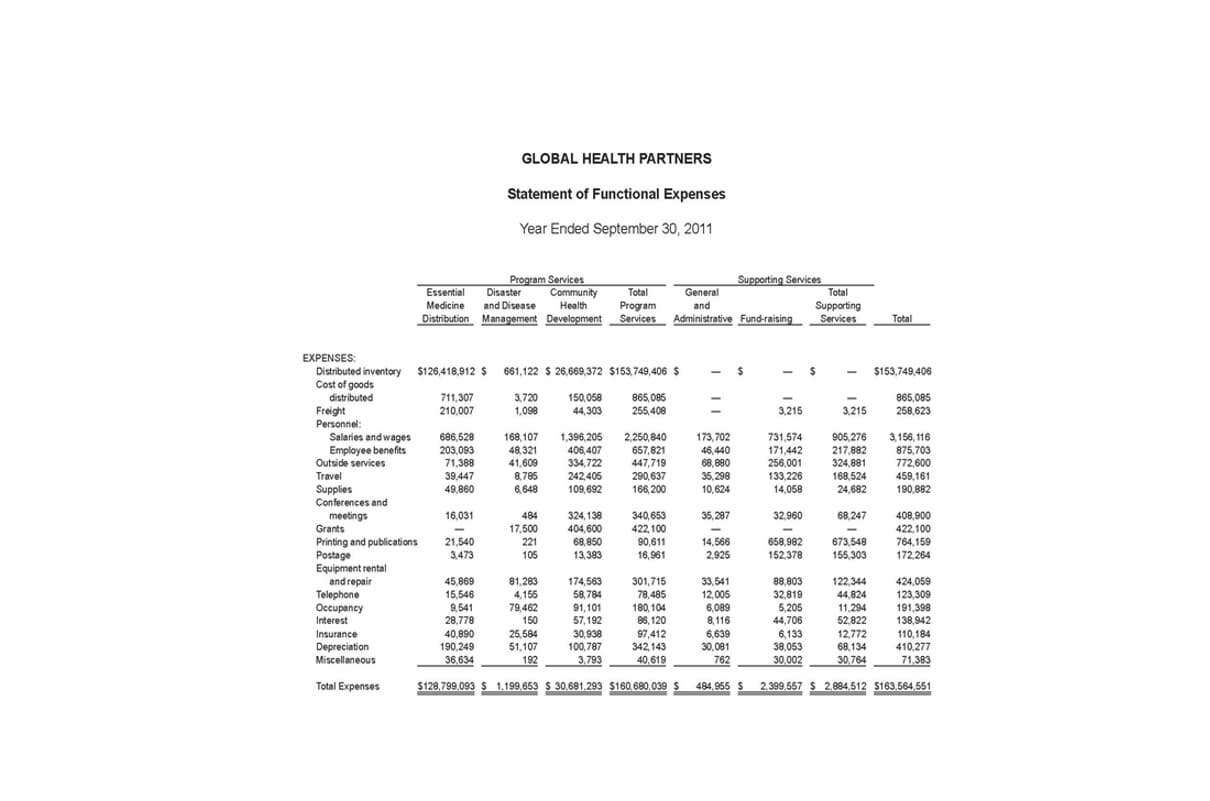

It isn’t just about tracking pennies; it’s about understanding the financial health of your business. Cash outflow refers to anything related to the payment of cash from a business or an individual, including expenses and other financial obligations that require the transfer of money. Cash outflows can be anything from employee salaries to loan repayments. It is considered equally as important as cash inflow as businesses need to ensure that there is enough cash available to cover expenses and prevent cash shortages.
Even profitable businesses can be capsized when timing works against them. Investing activities involve the acquisition and disposal of long-term assets. Analyzing cash flow from investing activities helps assess a company’s long-term growth strategy. Begin by categorising expenses as operating, investing, or financing operations. Operating expenses include day-to-day expenses such as salary, utilities, and rent, whereas investing expenses entail purchasing equipment or investments. For example, if a business spends ₹20,000 (operating), ₹10,000 (investing), and ₹5,000 (financing), the total cash Car Dealership Accounting outflow is ₹35,000.