How to visit imperialoil.net safely before investing – domain checks, security steps, and anti-phishing tips.
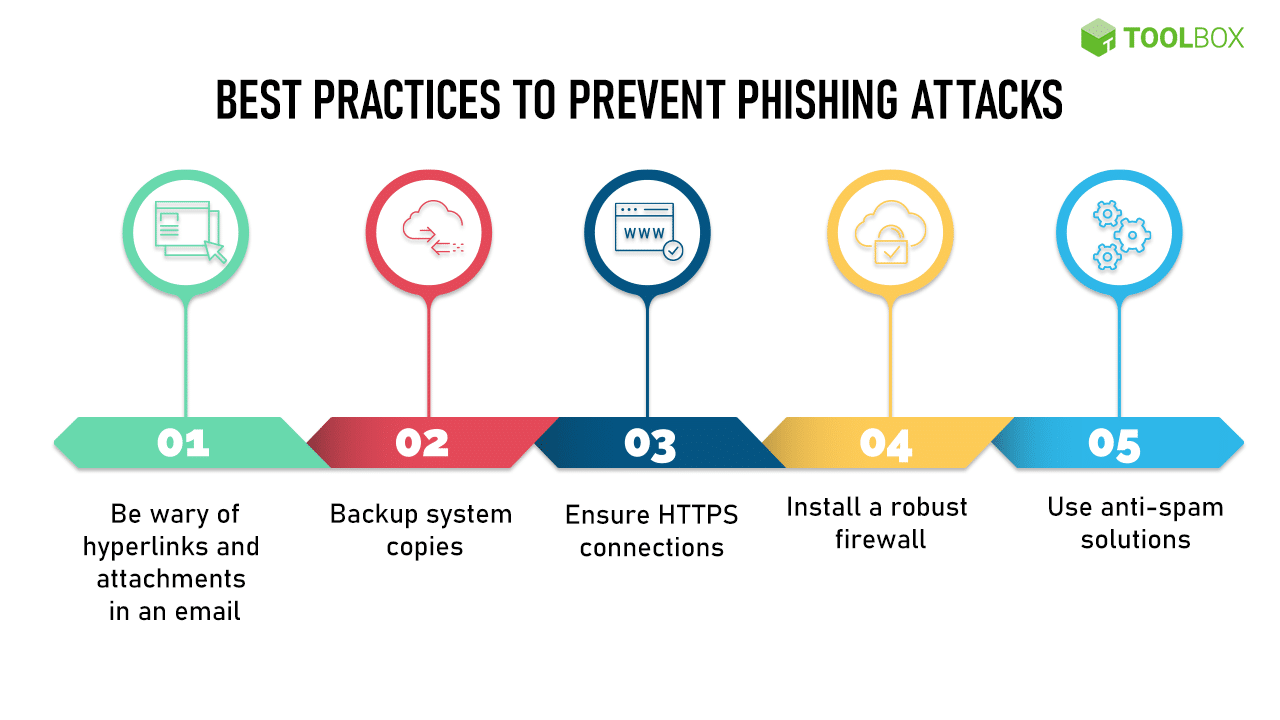
Prioritize routine audits of your infrastructure to ensure threats are identified and mitigated early. Engage specialized consultants who can conduct vulnerability assessments and provide tailored recommendations based on current market dynamics. Regular updates to all systems and tools utilized in operational processes are non-negotiable.
Implement multi-factor authentication across all access points to fortify your defenses against unauthorized breaches. Training employees on threat awareness and response protocols will significantly decrease potential risks to your operations. Cultivating a culture of security within your organization fosters better vigilance among personnel.
Consider establishing robust incident response teams equipped to handle any unforeseen breaches quickly and effectively. Collaborate with other players in the sector for knowledge sharing and to benchmark best practices. Staying informed about emerging threats and trends in the field is a fundamental aspect of maintaining resilience in your strategies.
Identifying Key Security Risks in Imperial Oil Investments
Analyze geopolitical factors. Political instability in resource-rich regions can significantly impact operations. Regularly assess the political climate and potential impacts on production and supply chains.
Evaluate technological vulnerabilities. Cyber threats pose a significant risk. Implement robust cybersecurity measures, including routine penetration testing and employee training to combat phishing attacks.
Assess environmental regulations. Changes in environmental laws can lead to increased operational costs. Monitor legislative developments and assess compliance needs to avoid penalties or forced shutdowns.
Monitor market fluctuations. Commodity prices can be highly volatile. Use hedging strategies to mitigate risks associated with price drops and develop contingency plans for worst-case scenarios.
Inspect supply chain integrity. Disruptions in the supply chain can affect production. Establish multiple sourcing options and foster relationships with diverse suppliers to enhance resilience.
Conduct thorough due diligence. Evaluate potential partnerships and acquisitions comprehensively. Perform background checks and financial assessments to uncover hidden risks.
Address workforce stability. Labor disputes can lead to operational delays. Foster a positive work environment and maintain open communication with employees to minimize conflicts.
Evaluate potential reputational damage. Negative publicity can adversely affect market position. Develop a crisis management plan to address and mitigate potential public relations issues swiftly.
Implementing Best Practices for Data Protection and Compliance
Regularly conduct risk assessments to identify vulnerabilities in data handling processes. Create a schedule for these evaluations, at least bi-annually, to ensure all areas are scrutinized.
Utilize strong encryption protocols for data at rest and in transit. AES-256 for stored information and TLS 1.2 or higher for data transmission provide robust protection against unauthorized access.
Establish clear data classification policies. Define different categories of data (e.g., public, confidential, restricted) and apply appropriate handling measures for each type.
Implement multi-factor authentication (MFA) for all access points to sensitive information. This extra layer drastically reduces the likelihood of unauthorized access.
Ensure that all software and systems are regularly updated. Patching vulnerabilities promptly can significantly decrease the chances of exploitation by malicious actors.
Train employees on data protection policies and procedures. Conduct mandatory training sessions to ensure everyone understands their responsibilities in safeguarding information.
Develop incident response plans that clearly delineate steps to follow in the event of a data breach. Regularly test these plans through simulated scenarios to guarantee preparedness.
Establish data retention policies to manage how long different types of information are stored. Regularly purge obsolete data to minimize potential exposure in case of a breach.
Maintain a detailed log of data access and modifications. This transparency aids in audits and can assist in identifying the source of any discrepancies or breaches.
Ensure compliance with applicable regulations such as the GDPR or CCPA. Regular audits can help assess adherence and identify areas needing improvement.
Monitoring and Auditing Security Measures for Continuous Improvement
Regular evaluations of implemented protocols are non-negotiable. Employ automated tools to gather data on system performance and user access. Conduct quarterly audits to identify vulnerabilities and assess response mechanisms. Analytical reports generated should guide strategic enhancements.
Engage in user training sessions to ensure personnel are abreast of compliance requirements and risks. Incorporate scenario-based assessments to evaluate incident response capabilities and mitigate human error.
Utilize metrics such as incident response time, number of detected threats, and user activity logs for a clear picture of overall safety. Continuous feedback loops must be established, fostering an environment of perpetual growth and adaptation.
For additional insights and resources, visit imperialoil.net.
Q&A:
What is the primary focus of the “Safe Investment in Imperial Oil Domain Security Guide”?
The guide is centered around providing strategies and best practices for securing investments in the oil sector, particularly concerning the protection of domain assets. It outlines how to assess risks, implement security measures, and ensure compliance with regulations to safeguard investments in this critical industry.
Why is domain security significant for investors in the oil industry?
Domain security is significant for oil industry investors because it helps protect sensitive information and assets from cyber threats. As the industry becomes increasingly digital, safeguarding online assets is paramount to maintaining operational integrity and investor confidence. Threats such as hacking, phishing, and data breaches can have severe financial implications, so understanding and implementing strong security practices is vital for protecting investments.
What types of security measures are recommended in the guide?
The guide recommends several security measures, including the use of robust authentication protocols, regular software updates, and comprehensive monitoring systems. It also advocates for educating employees about cybersecurity practices and investing in encryption technologies to protect sensitive data. Establishing incident response plans is another crucial aspect to quickly address potential security breaches.
How can investors assess the security posture of a company in which they plan to invest?
Investors can assess the security posture of a company by reviewing its security policies, past security incidents, and the technologies it employs. This includes examining how the company manages its cyber risks, whether it conducts regular audits, and if it has received certifications for its security practices. Additionally, engaging in discussions with the company’s leadership about their security strategies can provide insight into their commitment to protecting assets.
What role do regulatory compliance and industry standards play in investment security?
Regulatory compliance and industry standards play a critical role in investment security by setting frameworks that companies must follow to protect data and systems. Adhering to these regulations ensures that companies meet minimum security requirements, which helps mitigate risks associated with potential breaches. For investors, a company’s compliance status is a key indicator of its reliability and commitment to safeguarding investments, making it a vital factor in the decision-making process.
How does the Imperial Oil Domain Security Guide address the potential risks associated with geopolitical factors?
The Imperial Oil Domain Security Guide places significant emphasis on the geopolitical risks that can impact oil investments. It advises investors to closely monitor global political trends, as instability in oil-producing regions can lead to supply disruptions and price volatility. The guide suggests maintaining a risk assessment framework that includes geopolitical developments as a key component. Investors are encouraged to consider the implications of international relations, trade agreements, and regional conflicts on their investment strategies. Furthermore, the guide recommends forming collaborative relationships with local stakeholders and understanding the political landscape of countries where investments are made. This proactive approach helps in mitigating risks associated with geopolitical uncertainties in the oil sector.
What measures does the Imperial Oil Security Guide recommend for safe investment?
The Imperial Oil Security Guide suggests a variety of measures to ensure safe investment. Key recommendations include conducting thorough due diligence on potential investments, assessing the cybersecurity strategies of investment partners, and implementing risk management frameworks tailored to the energy sector. Investors are encouraged to actively monitor geopolitical risks and to remain informed about industry regulations affecting oil and gas markets. Additionally, creating a robust communication plan for stakeholders can help mitigate potential risks associated with investment decisions.
Reviews
Emma Williams
Is it really wise to trust investments tied to such a controversial company? Thoughts?
Michael Johnson
Ah, the thrill of safe investments in oil—like finding a reliable partner who won’t ghost you after a week! Just imagine the romance of spreadsheets and security protocols. Who needs candlelit dinners when you can bond over risk assessments and market trends? Swoon!
Jonathan
In a world where certainty is as rare as a snowstorm in the Sahara, bet on investments that offer assurances like a rubber chicken at a magician’s convention. With the right approach, navigating the complexities of oil domain security might lead you to safer shores—or at least a chuckle—or two. Remember, even oil can be slippery in the wrong hands!
ShadowKnight
Hey there! With so much talk about security in investments lately, I’m curious about the specific strategies you believe are most effective in safeguarding assets within such domains. Are there particular risks you think get overlooked? Also, do you think smaller investors can really implement these measures, or is this more suited for the big players? Would love to hear your thoughts!
Olivia Brown
Hey everyone! So, I was just reading about “safe investments” and couldn’t help but wonder… if I invest in something related to Imperial Oil, will my car start putting out money like a cash machine? I mean, I could use a few extra bucks for those cute shoes I saw last week! 🤔 And, like, what even is domain security? Is it just a fancy way of saying, “Don’t let the bad guys steal your pizza delivery”? 🍕😂 If I’m investing in something that sounds so serious, do I need to wear a business suit, or can I just keep rocking my yoga pants? And while we’re at it, how do I make sure I’m not buying oil that has, like, bad vibes? 🛢️✨ Anyone got tips for a blonde who’s just trying to make her money work for her (or at least for a fabulous night out)? Can’t wait to hear your thoughts! 💁♀️